Steel Pallet-1
Steel Pallet-2
Steel Pallet-3
Steel Pallet-4
Warehouse Racking

Steel Pallet

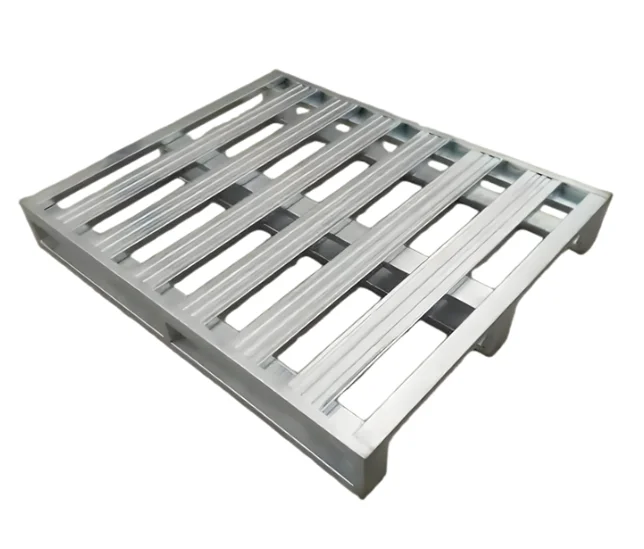
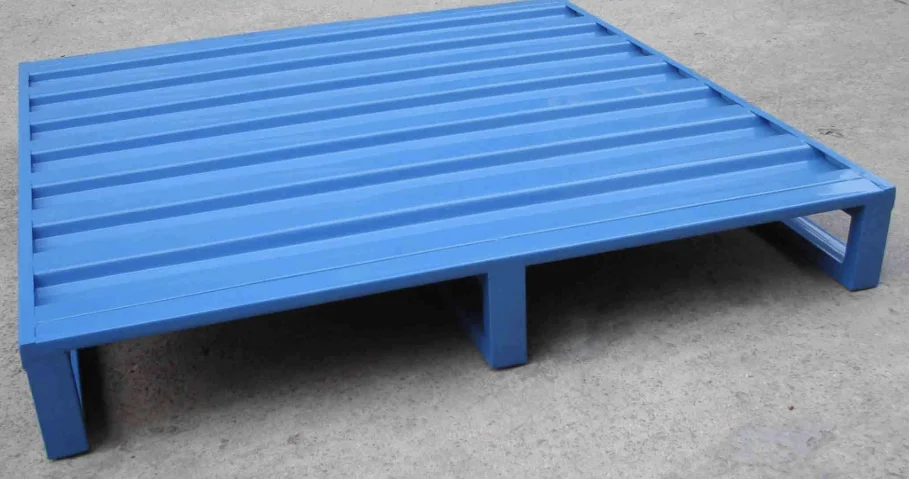
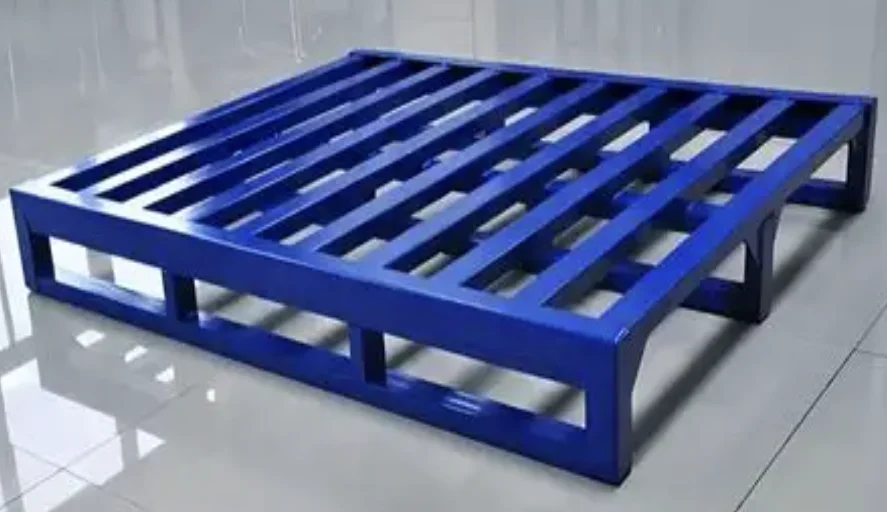
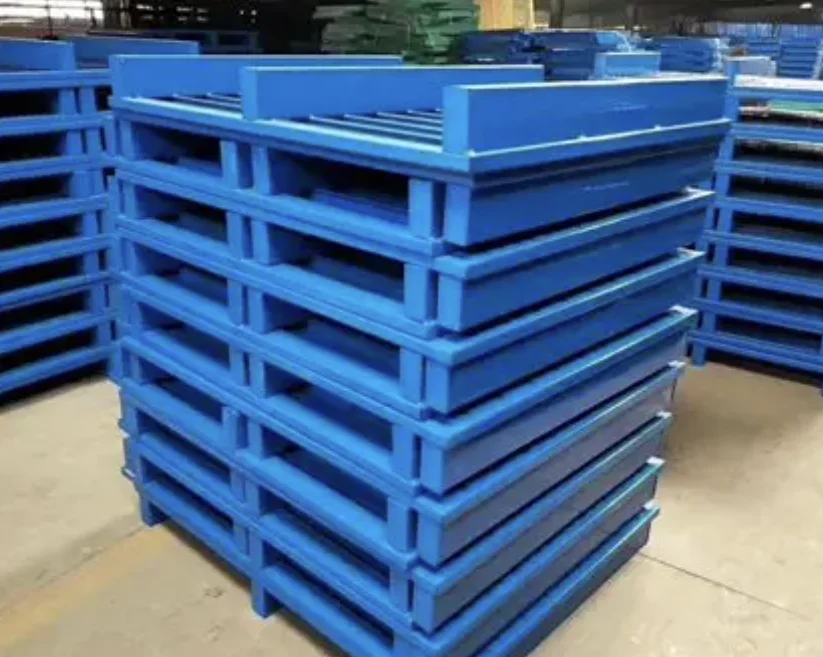
Steel pallets, also known as metal or iron pallets, are unit load containers manufactured from steel or galvanized steel sheets shaped by specialized equipment and assembled through rivet joints and CO₂ shielded arc welding. The basic structure consists of a single-layer deck supported by stringers, blocks, or legs, with a height designed to facilitate forklift operations. They serve as auxiliary equipment for industrial warehousing and transportation.

Specifications

1200mm*1000mm Most commonly used size
1200mm*800mm Widely used in Europe
1140mm*1140mm Widely used in Australia
40 inches (1016mm) x 48 inches (1219mm) Widely used in North America
1100mm x 1100mm Widely used by Japanese, Korean, food, and electronics companies
Customization Customized on demand

Steel pallets are primarily used for ground storage, racking storage, and intermodal freight turnover. Types include galvanized steel pallets, two-way entry pallets, and four-way entry pallets, with structures available in single-sided, double-sided, and four-way entry designs. They offer the highest load-bearing capacity among all pallet types and are 100% recyclable and environmentally friendly. The surfaces feature anti-slip treatments and reinforced edging, providing both waterproof and rust-proof functions. Compared to wooden pallets, they pose no pest risks; compared to plastic pallets, they offer superior strength, wear resistance, and temperature resistance. They require no fumigation for export, comply with international environmental regulations, and provide outstanding stability in racking applications.

Key Features

1. The load-bearing capacity is the strongest among all types of pallets;
2. 100% environmentally friendly, can be recycled and reused, preventing resource waste;
3. The surface is treated with anti-slip coating, and the edges are wrapped. The chassis is sturdy, lightweight overall but with strong rigidity. It possesses stable packaging performance;
4. Waterproof, moisture-proof, and rust-proof; offers environmental advantages over wooden pallets (e.g., wooden pallets are prone to pest breeding);
5. Compared with plastic pallets, it has advantages in strength, wear resistance, temperature resistance, and price;
6. Particularly when used for export, it does not require fumigation, high-temperature disinfection, or anti-corrosion treatment, complying with international environmental regulations;
7. When used on racks, it has a high friction coefficient and is not easy to slide under load, making it safe and reliable; good rigidity, large load capacity, durable, and has a long service life;
8. Flexible (four-way entry design improves space utilization and operational convenience; its sturdy base plate design is also suitable for use with roller conveyors and automated packaging systems), etc.
Zalo