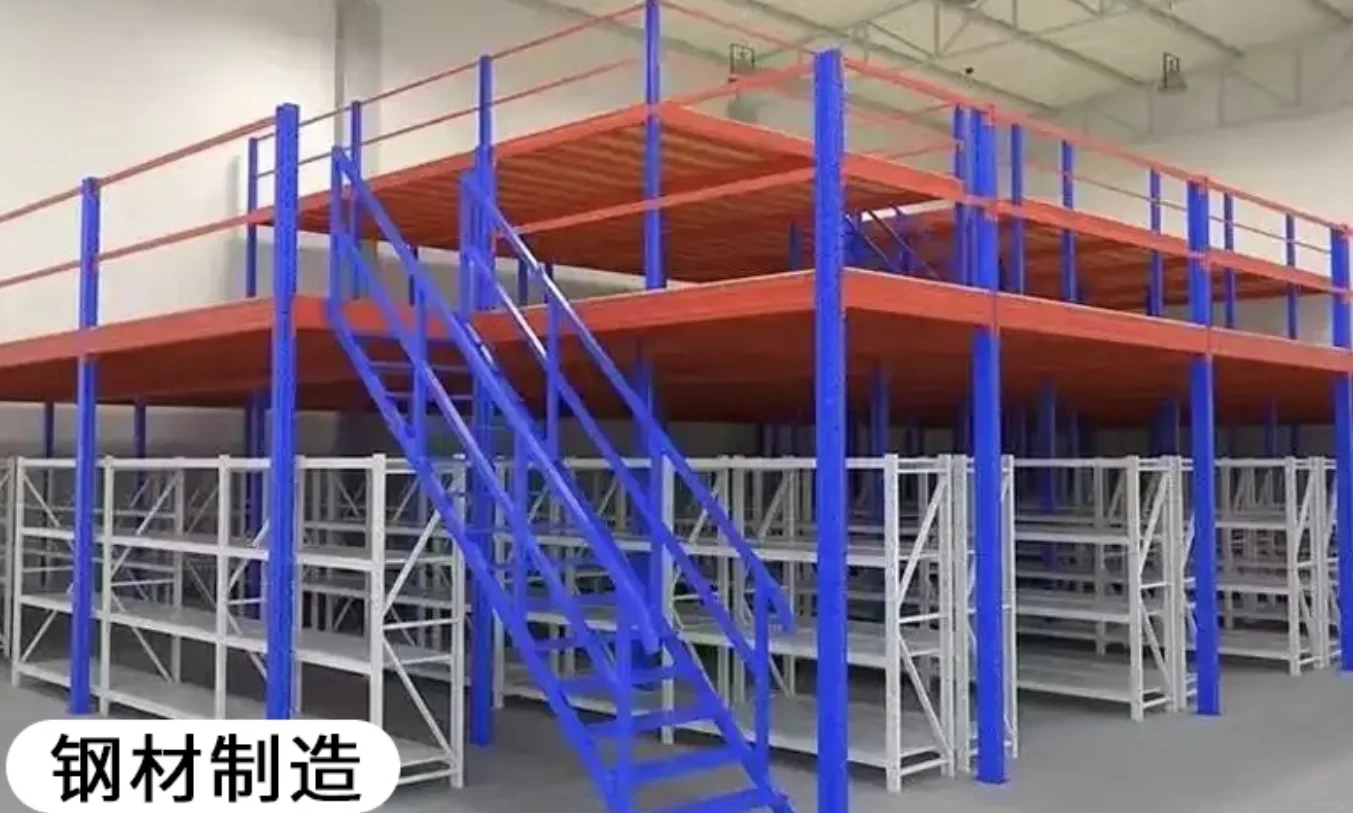
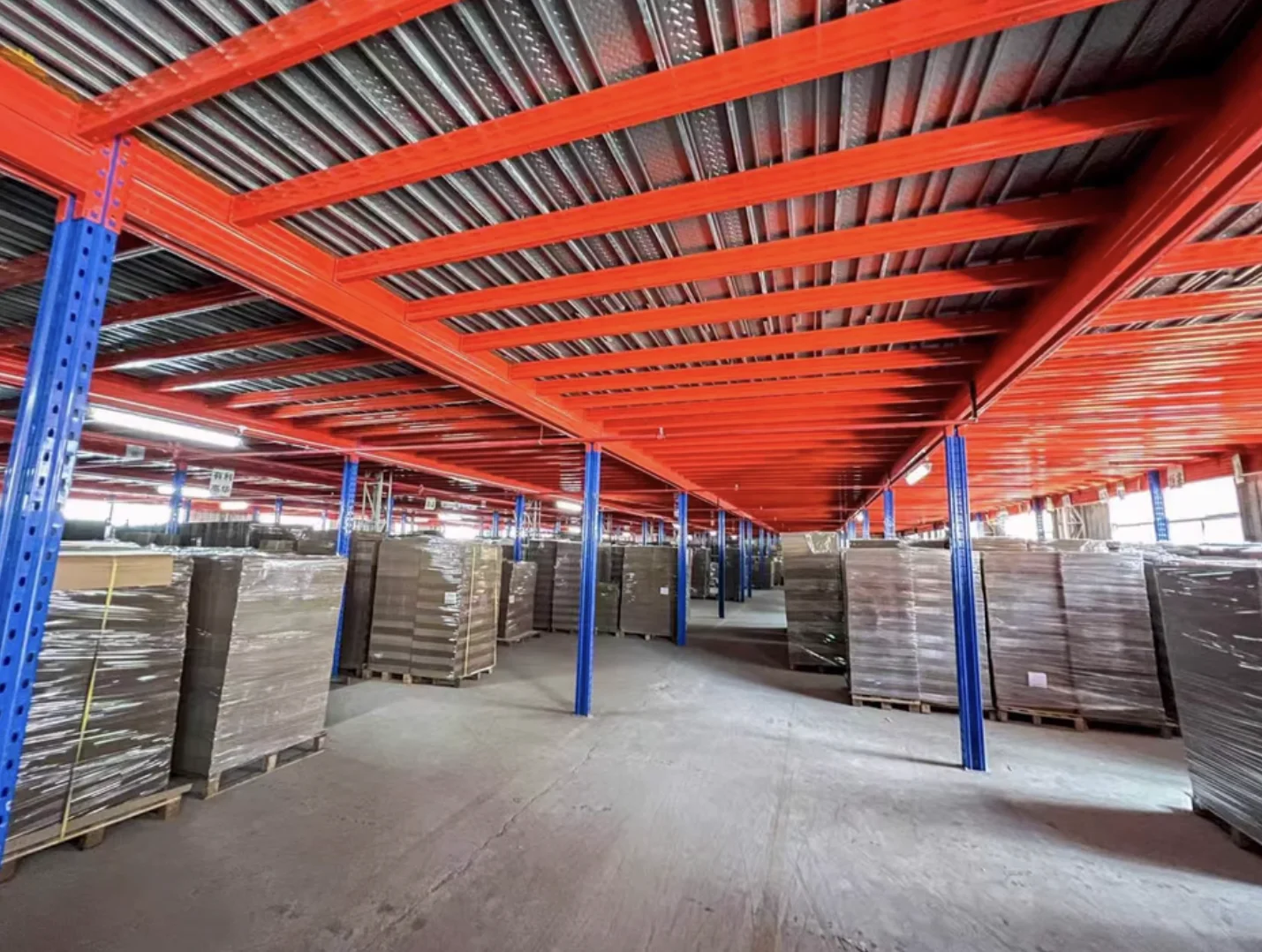
Mezzanine Racking
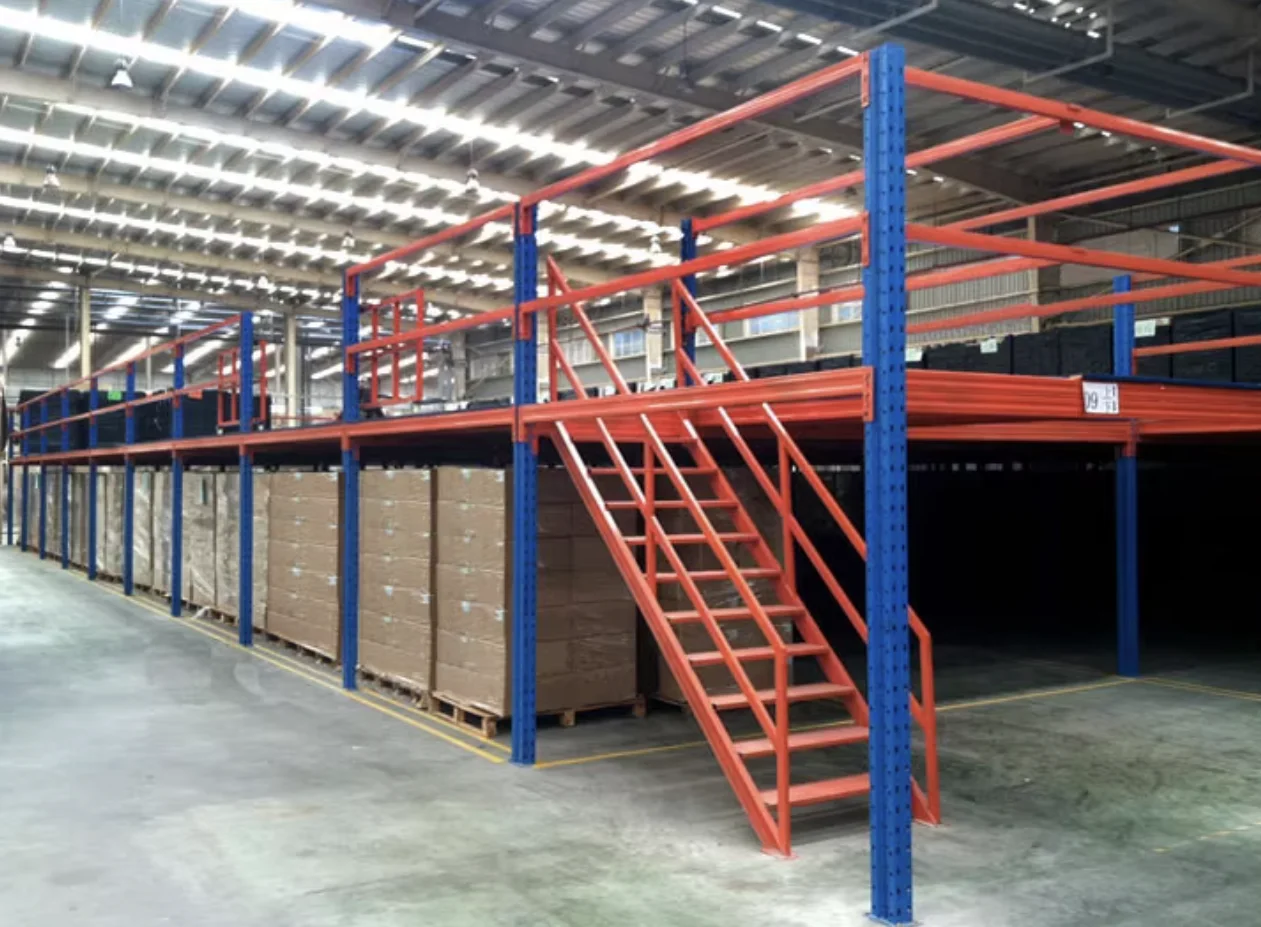
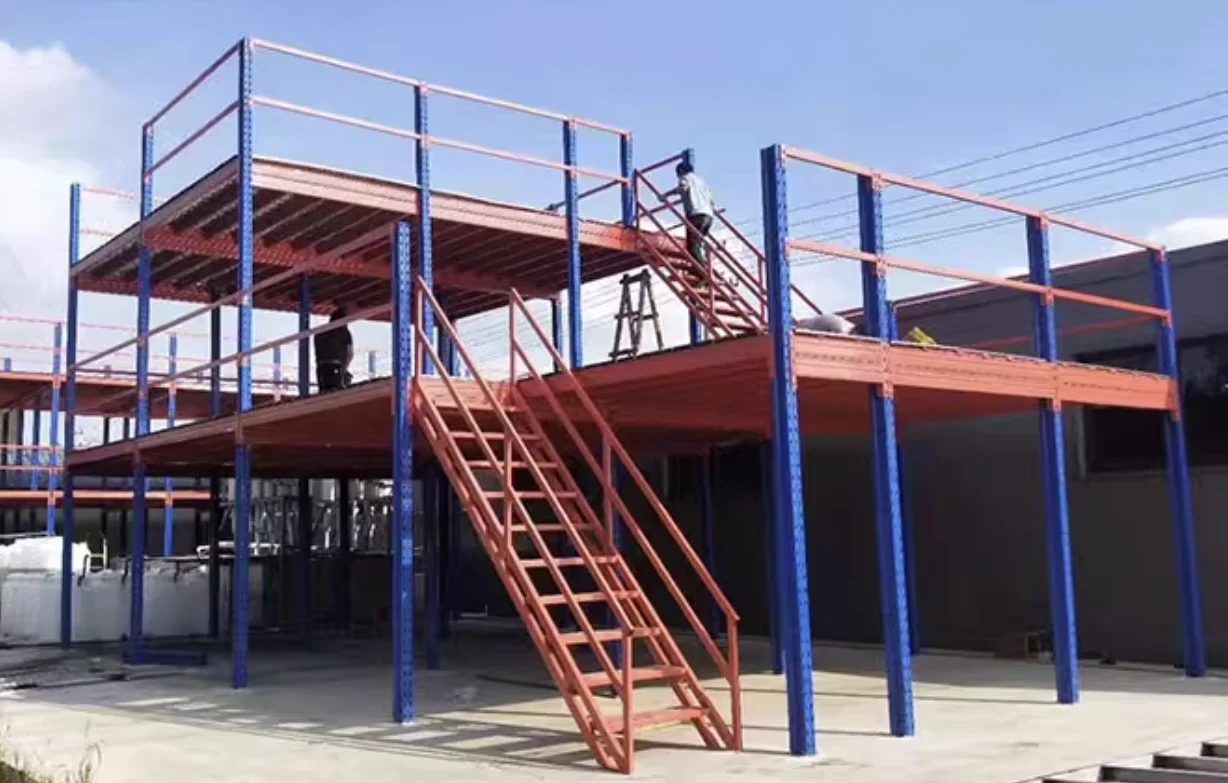
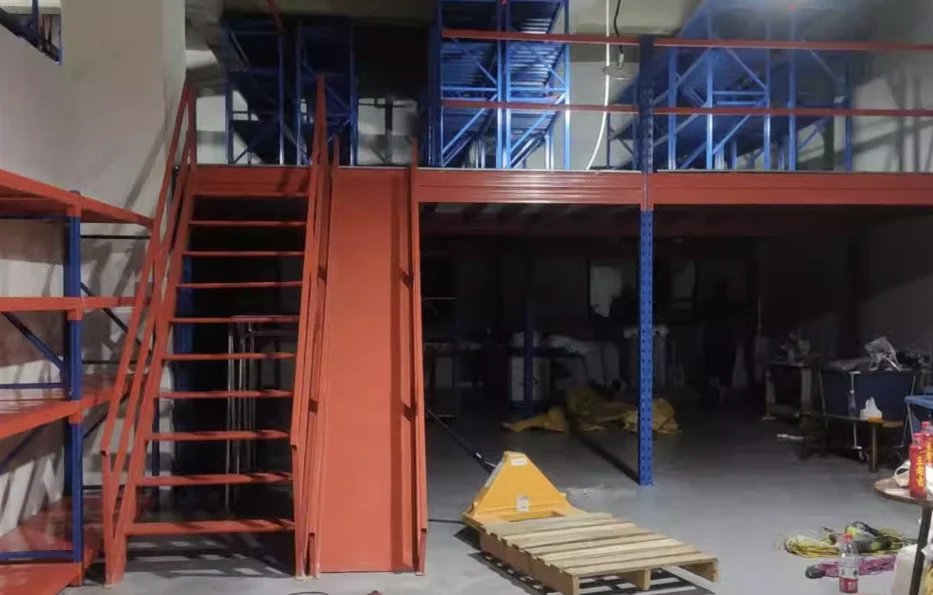
Mezzanine racking systems typically utilize medium-duty or heavy-duty shelving as the main structural support, topped with floor decking (the specific shelf type is determined by the total load capacity of the units). The floor decking is generally made of cold-rolled steel floor plates, checkered steel plates, or steel gratings.
Specifications
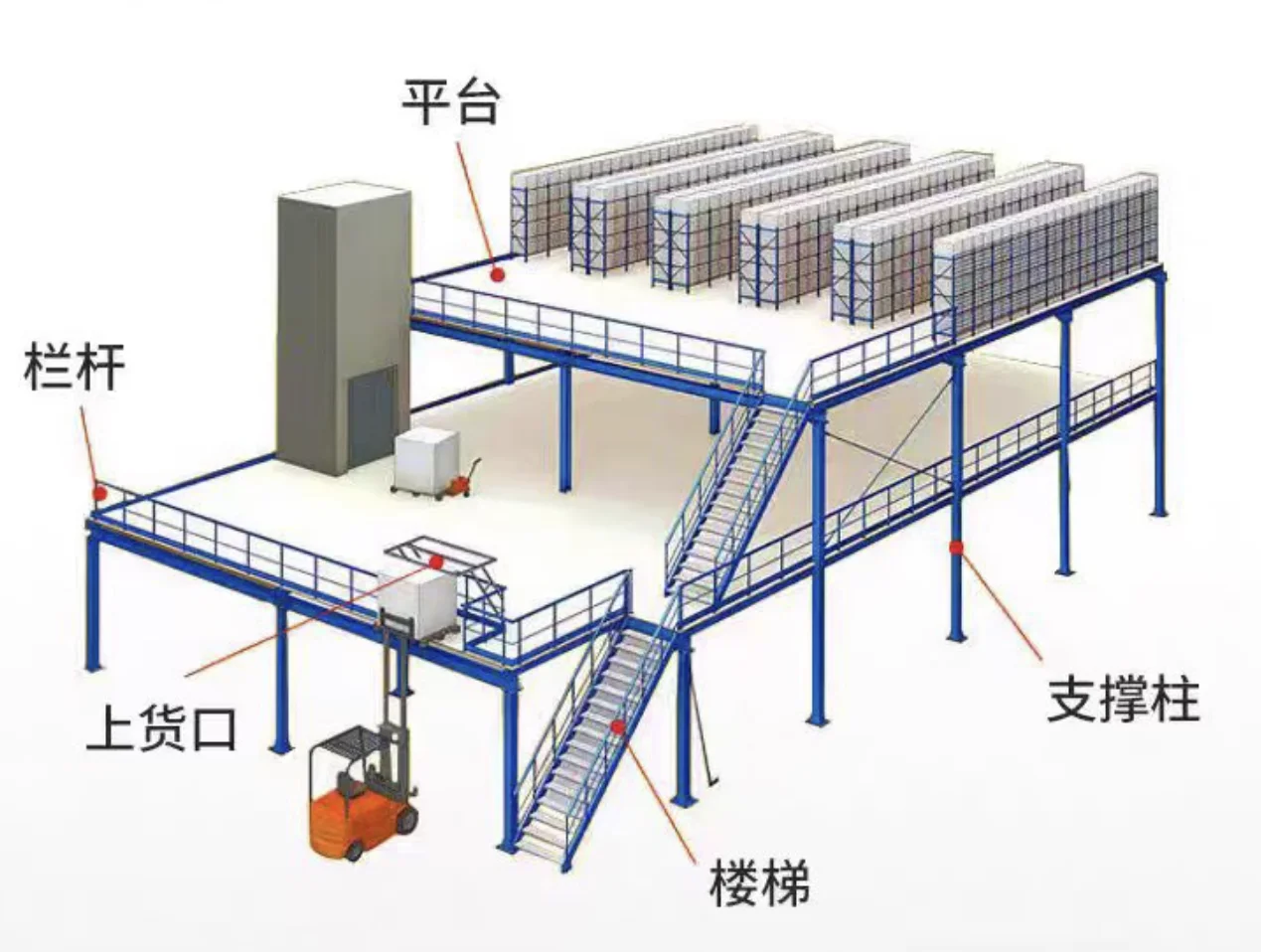
The mezzanine racking system involves constructing an intermediate loft on an existing workspace or racking to increase storage space. It can be built into two or three levels and is suitable for accessing light, bulky, and small-to-medium-sized goods. It is ideal for high-variety/large-volume or high-variety/small-volume inventories requiring manual access. Goods are typically transported to the second or third floor via forklifts, hydraulic lifting platforms, or freight elevators, and then delivered to specific locations using light trolleys or hydraulic pallet jacks. The load capacity per square meter is generally within 500kg, with floor heights typically ranging from 2.2m to 4m and column spacing from 2.3m to 4.5m, fully ensuring operational convenience for personnel.
Gallery